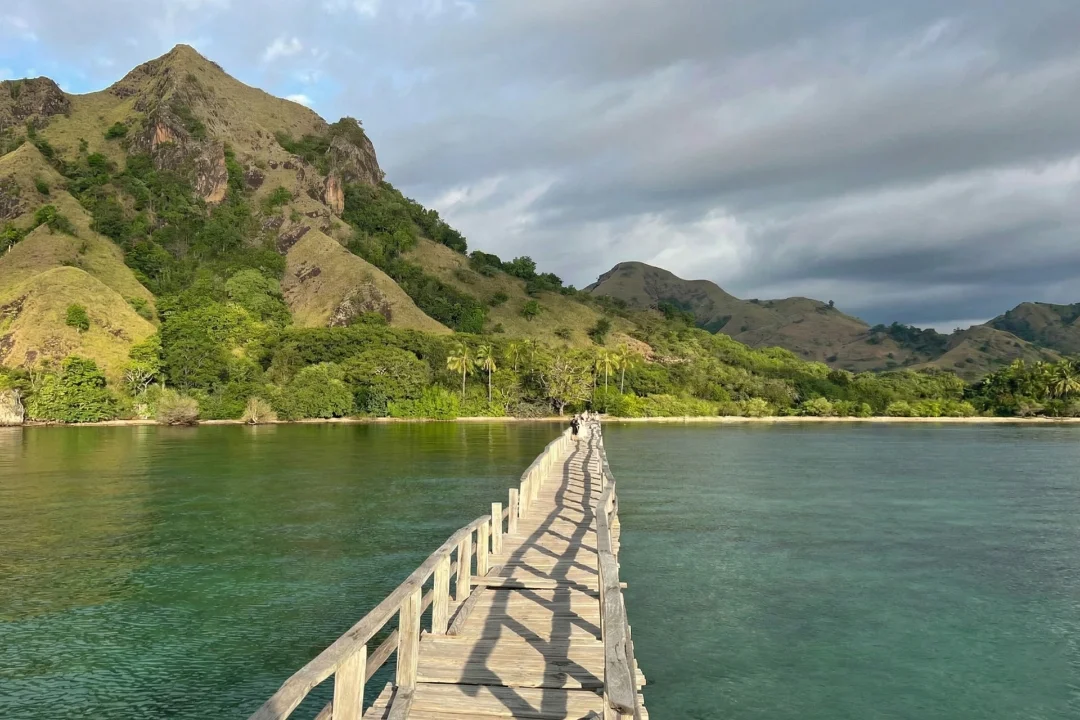
Manjarite Island

Manjarite Island is one of the most beautiful snorkeling destinations near Labuan Bajo and a popular stop during sailing trips around Komodo National Park. Famous for its crystal-clear water, colorful coral reefs, and peaceful tropical atmosphere, the island attracts travelers looking for relaxing marine activities and stunning natural scenery. With calm shallow waters and excellent underwater visibility, Manjarite Island has become a favorite destination for snorkeling, swimming, and photography in East Nusa Tenggara.

About Manjarite Island

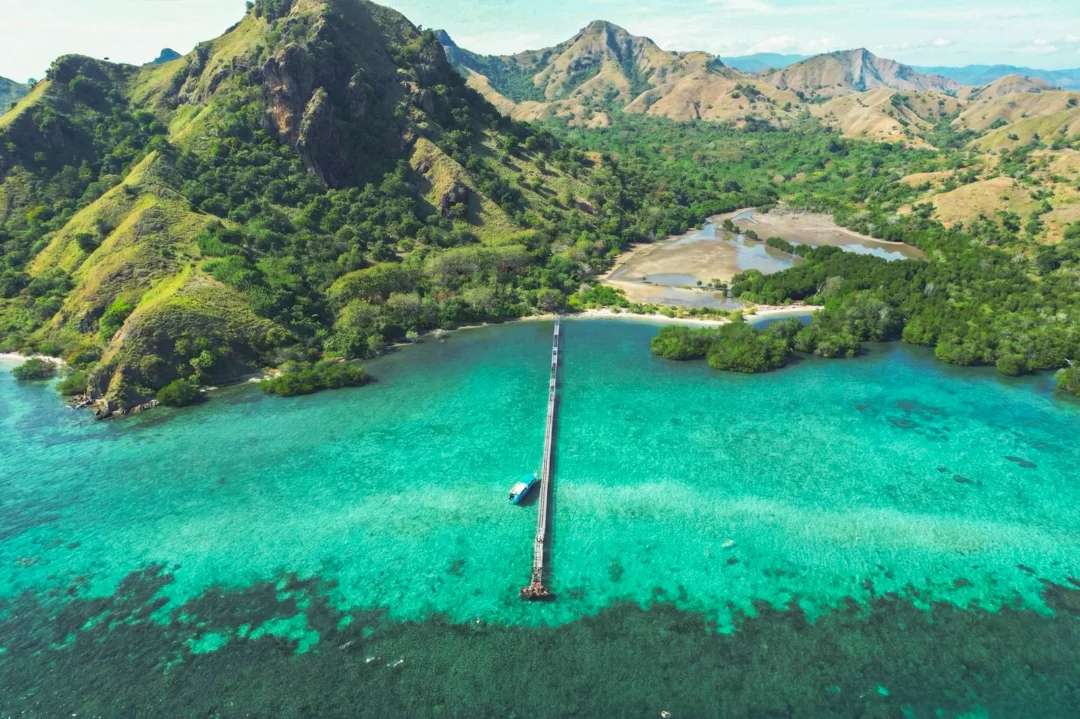
Located within the Komodo National Park area, Manjarite Island is known for its clear blue waters and rich underwater biodiversity. The island is surrounded by calm seas filled with colorful coral reefs and tropical fish, making it one of the best snorkeling spots near Labuan Bajo.

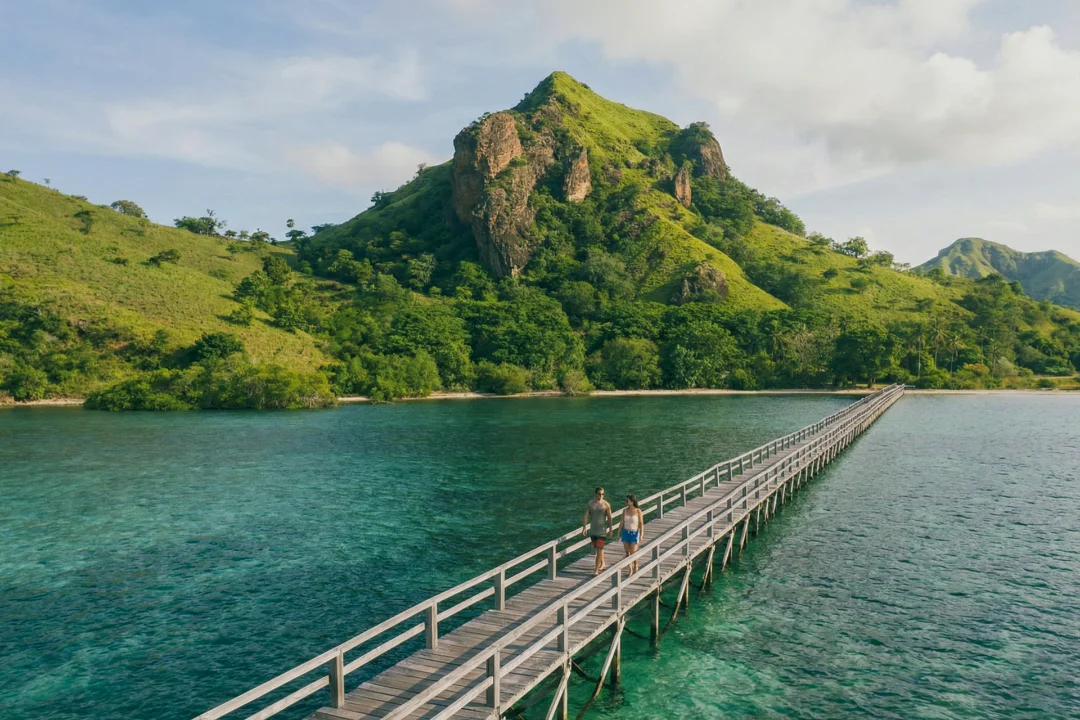
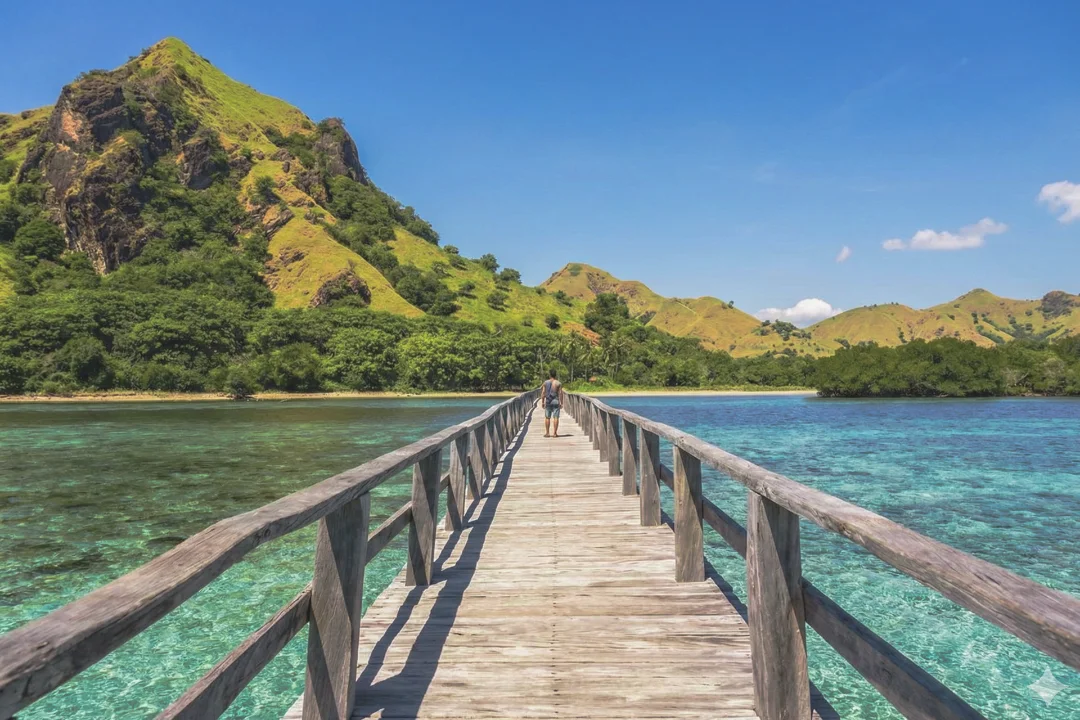
One of the most recognizable features of Manjarite Island is its long wooden pier extending into the turquoise ocean. The pier has become a popular photography location because it offers beautiful panoramic views of the surrounding islands and crystal-clear water below.

Unlike destinations focused on trekking or wildlife encounters, Manjarite Island is especially popular among travelers seeking peaceful marine experiences and relaxing tropical scenery. Its calm environment makes it suitable for families, beginner snorkelers, and visitors who want to enjoy the natural beauty of Komodo National Park at a slower pace.

The island is commonly included in island-hopping tours together with nearby destinations such as Kelor Island, Rinca Island, and Kalong Island.

Manjarite Island Activities

Snorkeling is the main activity at Manjarite Island thanks to its calm water and vibrant coral reef ecosystem. Visitors can explore colorful marine life including tropical fish, coral gardens, and other underwater species in shallow and easily accessible areas.

Swimming around the wooden pier and relaxing by the beach are also popular activities for travelers visiting the island. The peaceful atmosphere and beautiful tropical scenery create a perfect place to unwind during Komodo sailing trips.

Photography has become another favorite activity at Manjarite Island. Many visitors capture the iconic wooden pier, crystal-clear water, and panoramic island landscapes for travel photography and social media content.

Boat tours around the island also provide opportunities to enjoy the calm beauty of the Flores Sea while experiencing the tropical atmosphere of East Nusa Tenggara.

How to Get There

Travelers can reach Manjarite Island through boat tours departing from Lombok or from Labuan Bajo.

For travelers departing from Lombok, Manjarite Island is commonly included in multi-day liveaboard sailing trips to Komodo National Park. These trips usually last several days and include multiple island destinations across the Komodo region.

Meanwhile, visitors staying in Labuan Bajo can join one-day island-hopping tours, overnight trips, or liveaboard cruises to visit Manjarite Island. Due to its location relatively close to Labuan Bajo, the island is considered one of the most accessible marine destinations in the area.

Before booking a trip, travelers are advised to review the itinerary carefully because every boat operator may offer different routes, schedules, and activities.

Travel Tips & Gallery

The best time to visit Manjarite Island is during the dry season between April and October when the weather is sunny and the sea conditions are calm and clear for snorkeling activities.

Visitors should bring swimwear, snorkeling equipment, sunscreen, hats, sunglasses, and waterproof bags to protect personal belongings during boat trips and marine activities. Underwater cameras are also highly recommended for capturing the island’s colorful marine life.

As Manjarite Island is part of a protected marine conservation area, travelers should avoid stepping on coral reefs, throwing trash into the ocean, or disturbing marine ecosystems. Responsible tourism is essential to preserve the island’s natural beauty and underwater environment for future generations.