

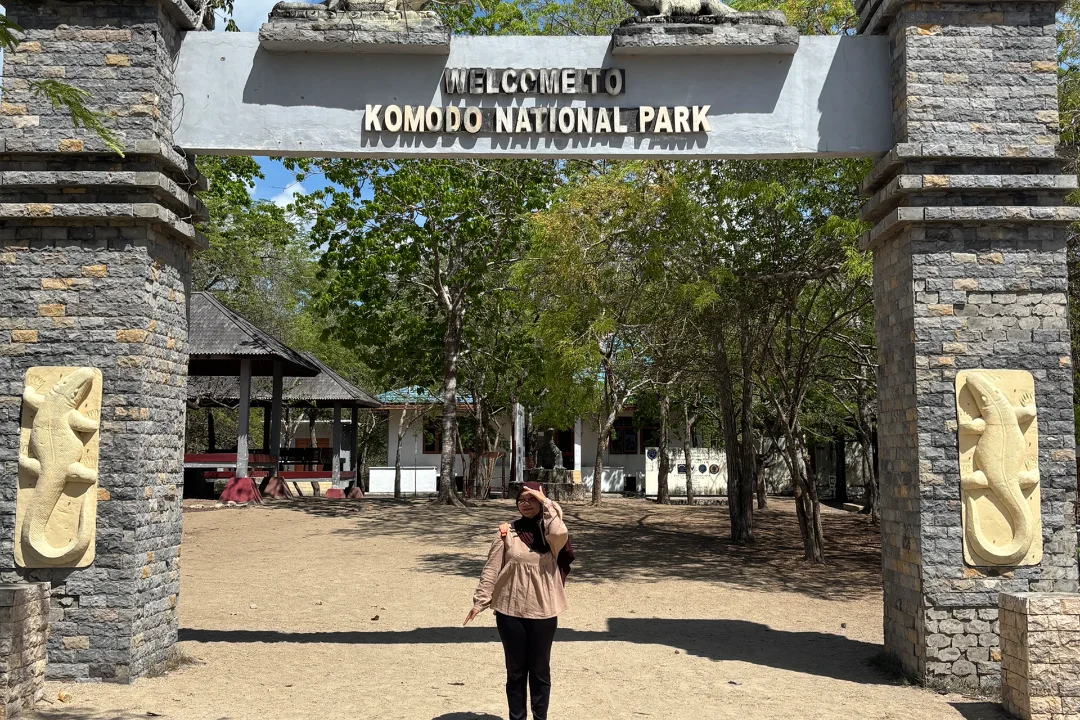

Komodo National Park

Komodo National Park is one of Indonesia’s most famous natural attractions and a world-renowned destination for adventure tourism, marine exploration, and wildlife experiences. Located in East Nusa Tenggara between the islands of Sumbawa and Flores, the national park is internationally recognized for its breathtaking island landscapes, rich underwater biodiversity, and the presence of the legendary Komodo dragon. With its crystal-clear waters, tropical islands, pink sand beaches, and dramatic savanna hills, Komodo National Park offers travelers an unforgettable experience in one of the most beautiful regions of Southeast Asia.

About Komodo National Park

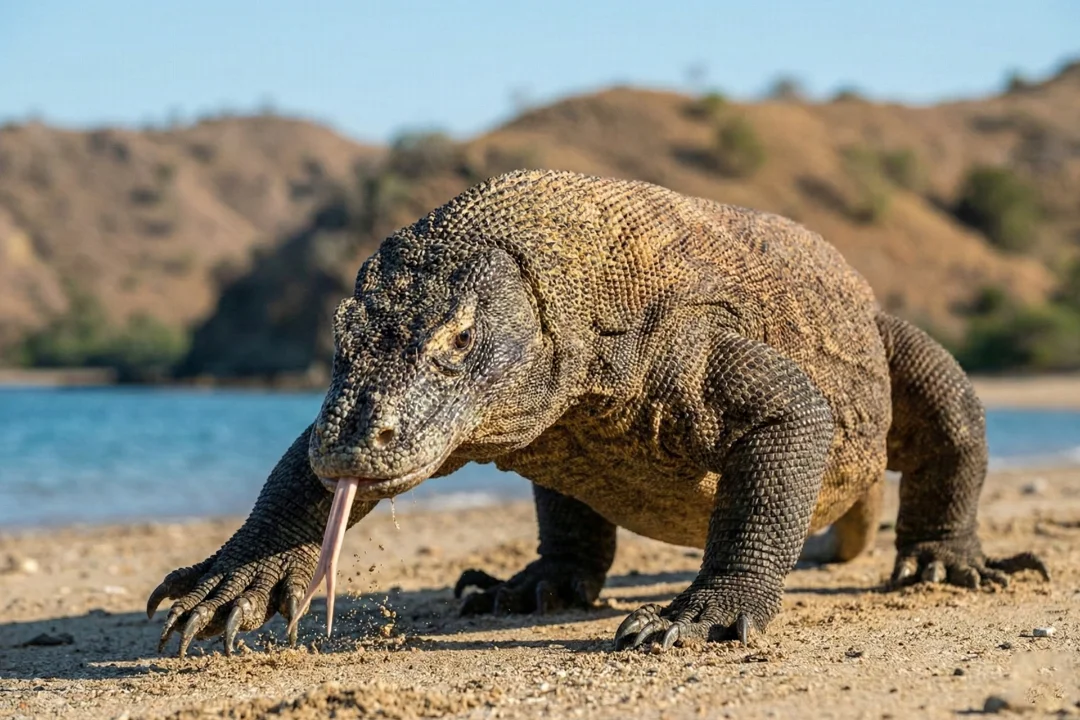
Established in 1980, Komodo National Park was originally created to protect the endangered Komodo dragon, the world’s largest living lizard. Today, the park is recognized as a UNESCO World Heritage Site and one of Indonesia’s most valuable conservation areas due to its extraordinary marine and terrestrial ecosystems.

The national park consists of several islands including Komodo Island, Rinca Island, and Padar Island, along with many smaller tropical islands surrounded by coral reefs and turquoise waters.

Besides being home to Komodo dragons, the park also protects diverse marine life including manta rays, sea turtles, dolphins, reef sharks, and hundreds of coral species. The combination of wildlife, tropical scenery, and world-class diving locations makes Komodo National Park one of the top travel destinations in Indonesia.

The park has become increasingly popular among international travelers, photographers, divers, snorkelers, and nature lovers seeking unique experiences in eastern Indonesia.

Komodo National Park Activities

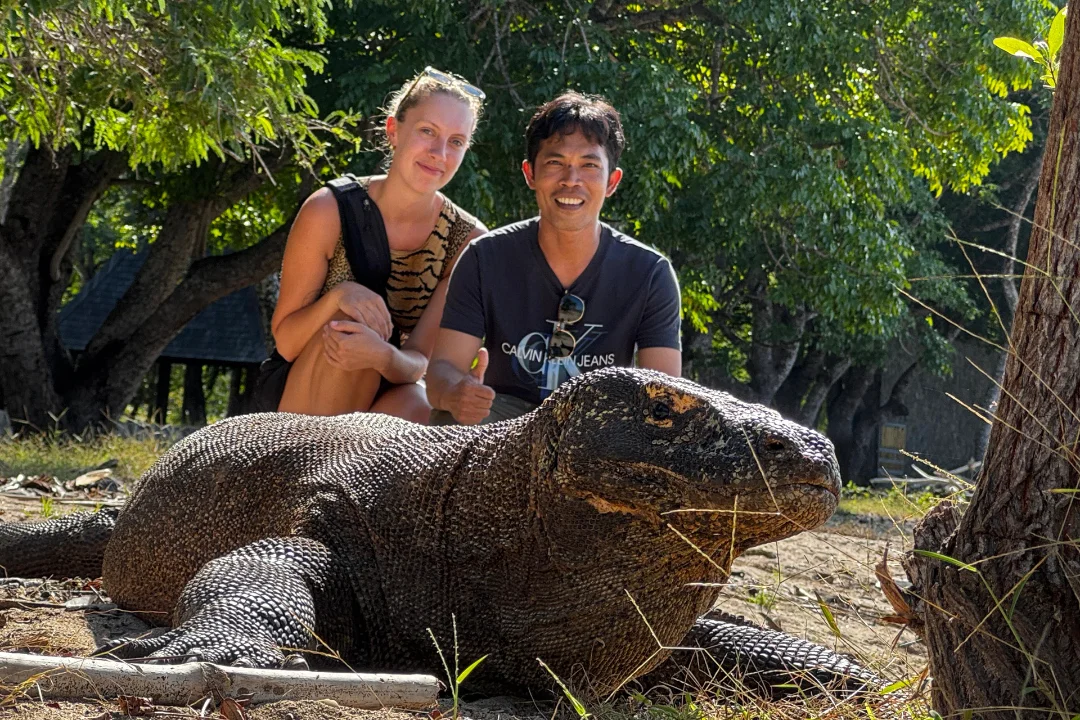
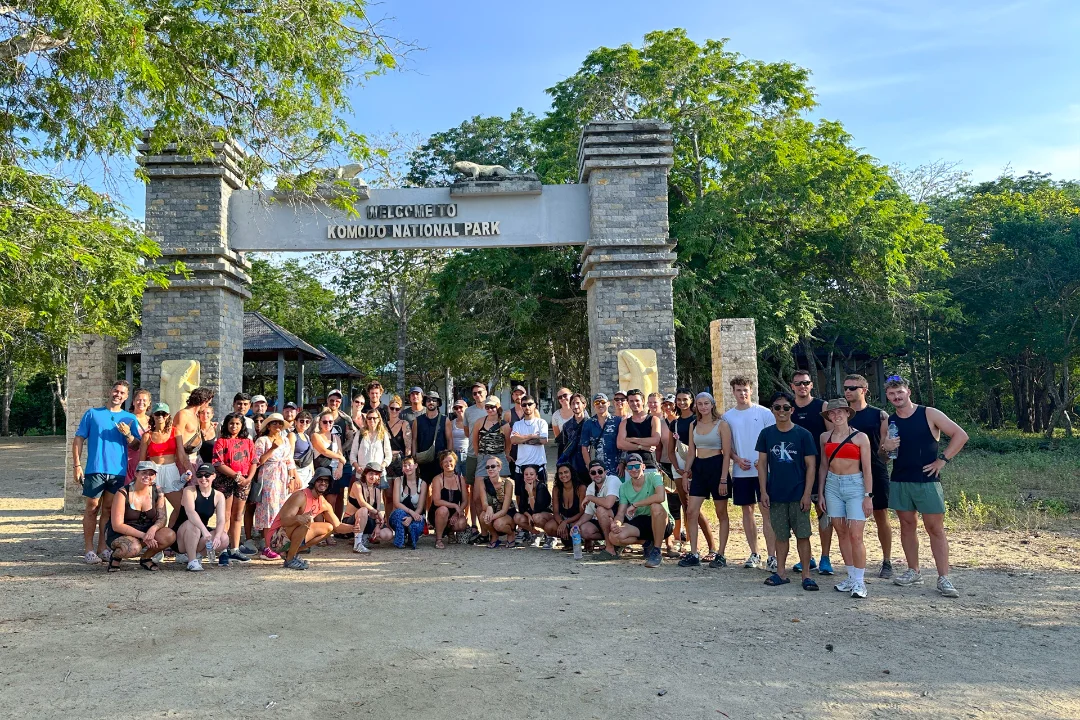
Komodo National Park offers a wide variety of activities for travelers looking to explore nature and adventure. One of the most popular activities is trekking on Komodo Island and Rinca Island to see Komodo dragons in their natural habitat accompanied by professional park rangers.

Snorkeling and diving are also major attractions within the park. The waters surrounding Komodo National Park are famous for their rich marine biodiversity, colorful coral reefs, and excellent underwater visibility. Popular snorkeling and diving spots include manta ray cleaning stations, coral gardens, and vibrant reef ecosystems.

Island hopping is another favorite activity, allowing visitors to explore iconic destinations such as Pink Beach and Padar Island. Travelers can enjoy scenic trekking, beach relaxation, swimming, photography, and sunset viewing throughout the journey.

Liveaboard sailing experiences have also become increasingly popular, offering visitors the opportunity to explore multiple islands while enjoying the beauty of the Flores Sea.

How to Get There

Travelers can reach Komodo National Park through boat trips departing from Lombok or from Labuan Bajo.

For travelers departing from Lombok, Komodo National Park is commonly visited through multi-day liveaboard sailing tours lasting approximately 3 to 4 days. These trips usually include several famous destinations across the Komodo region and provide a complete island-hopping experience.

Meanwhile, Labuan Bajo serves as the main gateway to Komodo National Park. From Labuan Bajo, travelers can join one-day tours, overnight boat trips, or luxury liveaboard cruises to explore various islands and attractions within the national park.

Before booking a trip, visitors are encouraged to check the itinerary carefully because each boat operator may offer different routes, destinations, facilities, and travel schedules.

Travel Tips & Gallery

The best time to visit Komodo National Park is during the dry season between April and October when the weather is sunny, sea conditions are calmer, and outdoor activities are more comfortable.

Visitors should prepare comfortable trekking shoes, lightweight clothing, sunscreen, hats, sunglasses, and enough drinking water, especially for trekking and island exploration activities. Bringing snorkeling gear, waterproof bags, and cameras is also highly recommended.

As Komodo National Park is a protected conservation area, travelers must follow park regulations, respect wildlife, and avoid damaging coral reefs or littering. Responsible tourism is essential to preserve the natural beauty and biodiversity of the park for future generations.