A fire burned around five hectares of savanna on Kenawa Island in West Sumbawa on October 4, 2026. Here is what happened, what may have caused the fire, and what travelers should know before visiting.
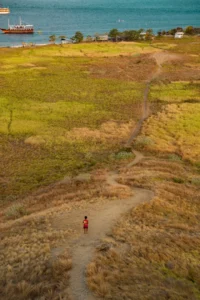
Kenawa Island is one of the natural attractions in West Sumbawa, known for its open savanna, white sandy beaches, and beautiful views of the surrounding sea.
The island is particularly popular with travelers looking for a quiet place to enjoy the landscape, take photographs, or simply spend some time surrounded by nature.
However, on Sunday, October 4, 2026, part of Kenawa’s famous savanna was affected by a fire.
According to reports from local authorities, approximately five hectares of land were burned during the incident. The fire was eventually brought under control around midday after local residents, visitors, and emergency personnel worked together to prevent it from spreading further.
What Happened on Kenawa Island?
The fire was first reported at around 9:00 AM local time on October 4.
The flames spread through areas covered by dry grass and savanna vegetation. Strong winds reportedly contributed to the rapid spread of the fire, making the situation more difficult to control.
Local residents and tourists on the island began helping with the initial firefighting efforts at around 11:00 AM. Although the fire was temporarily brought under control, some flames reportedly appeared again as the dry vegetation and wind continued to create favorable conditions for the fire to spread.
Local authorities then responded to the situation, with personnel from the Poto Tano Police, the NTB Regional Police’s Marine and Air Police Directorate, the local village government, BPBD, and the fire and rescue service involved in the response.
Firebreaks were also created to help prevent the flames from moving into other areas of the island.
The fire was eventually reported to have been extinguished at around 12:30 PM.
Around 5 Hectares of Savanna Were Burned
Kenawa Island covers approximately 15 hectares, while around five hectares of its savanna were reportedly affected by the fire.
The burned area represents a significant part of the island’s grassland landscape.
Kenawa’s savanna is one of the main reasons travelers visit the island. During the greener months, the grass-covered landscape creates a very different appearance compared with the dry season, when the vegetation becomes brown and much more vulnerable to fire.
Following the incident, sections of the landscape were left blackened by the flames.
Authorities continued assessing the affected area after the fire was extinguished.
What May Have Caused the Kenawa Island Fire?
The exact cause of the fire has not been officially confirmed.
However, the fire was suspected to have been caused by a discarded cigarette butt or leftover embers from a campfire, which may have come into contact with the dry grass.
The dry condition of the savanna, combined with strong winds, could then have allowed the flames to spread quickly across the grassland.
At this stage, these should be considered possible causes rather than a confirmed explanation of how the fire started.
Regardless of the exact cause, the incident is a reminder that even a small source of fire can become dangerous when it comes into contact with dry vegetation.
Were There Any Casualties?
Based on the reports available following the incident, no fatalities or injuries were reported.
There were also no reports of major damage to tourism facilities on the island.
Kenawa does not have a permanent residential settlement, although tourism-related facilities and activities are present on the island, including small businesses, accommodation, a pier, and local boat services.
The quick response from people on the island and local authorities helped prevent the fire from spreading further.
Why Is Kenawa Island Popular With Travelers?
Kenawa Island has become a popular destination for travelers exploring West Sumbawa.
One of its most recognizable features is its open savanna landscape, which stretches across much of the island. A small hill provides visitors with panoramic views of the surrounding waters and nearby islands.
The island is relatively simple compared with more developed tourist destinations, which is part of its appeal.
Visitors can enjoy the beach, walk across the savanna, climb the hill, and take in the surrounding scenery.
Its location near Poto Tano also makes Kenawa a convenient destination for travelers exploring West Sumbawa.
Is Kenawa Island Still Safe to Visit?
This is likely to be one of the main questions travelers have after hearing about the fire.
At the time of the initial reports, the fire had been extinguished and authorities were continuing to assess the situation.
However, travelers should not assume that every part of the island has immediately returned to normal after a vegetation fire.
Areas affected by fire may still require monitoring, and local authorities may need to assess the condition of the landscape and tourism facilities before normal activities fully resume.
If you are planning to visit Kenawa shortly after the incident, it is a good idea to check the latest information from local authorities, tourism officials, or your boat operator before traveling.
Conditions can also change depending on weather, wind, and the recovery of the affected area.
What Travelers Can Learn From the Kenawa Fire
The incident is also an important reminder about responsible tourism.
Natural destinations such as Kenawa can be particularly vulnerable to fire when vegetation becomes dry.
Something as small as a cigarette butt or a few remaining campfire embers can potentially start a fire if they come into contact with dry grass.
Travelers visiting islands, beaches, savannas, or other natural areas should therefore take simple precautions:
- Never throw cigarette butts onto the ground.
- Make sure cigarettes are completely extinguished before disposal.
- Avoid making campfires unless they are specifically permitted.
- Completely extinguish a campfire before leaving the area.
- Never leave hot charcoal or burning materials unattended.
- Do not leave flammable rubbish behind.
- Follow instructions from local authorities and destination managers.
- Report smoke or signs of fire as soon as possible.
These actions may seem small, but they can help prevent a much larger environmental problem.
Protecting Kenawa's Natural Landscape
The fire also highlights the importance of protecting the natural landscapes that make destinations such as Kenawa special.
For many visitors, the island’s savanna is simply part of a beautiful travel experience. But the grassland is also an important part of the island’s natural environment.
After a fire, the landscape may take time to recover. The speed of recovery can depend on rainfall, vegetation conditions, soil, and how severely the area was affected.
This means that protecting the landscape is not only the responsibility of local authorities. Visitors, tour operators, boat crews, and local businesses all have a role to play.
Responsible tourism starts with simple habits.
A Reminder for Responsible Travelers
The Kenawa Island fire is a reminder that natural tourism destinations can be fragile.
Travelers visit places like Kenawa to enjoy their natural beauty, but that experience also comes with a responsibility to help protect them.
Whether it is properly disposing of a cigarette, making sure a campfire is completely extinguished, taking rubbish home, or following local safety instructions, small actions can make a difference.
Kenawa Island remains an important natural attraction in West Sumbawa, and the recent fire highlights why its unique savanna landscape deserves careful protection.
For anyone planning to visit Kenawa or other natural destinations in Indonesia, the best approach is simple: enjoy the landscape, respect the environment, and leave the destination as safe and beautiful as possible for the next traveler.
Final Note
Information about the fire and its cause may be updated as authorities complete their assessment. Travelers planning a visit should check the latest local conditions before heading to Kenawa Island.
Frequently Asked Questions (FAQs)
When did the Kenawa Island fire happen?
The fire on Kenawa Island occurred on October 4, 2026, at around 9:00 AM local time. The fire was eventually brought under control around midday after efforts from local residents, visitors, and emergency personnel.
How much of Kenawa Island was affected by the fire?
Approximately five hectares of savanna were reportedly burned. Kenawa Island itself covers around 15 hectares, meaning a significant portion of its grassland was affected.
What caused the Kenawa Island fire?
The exact cause has not been officially confirmed. The fire was suspected to have been caused by a discarded cigarette butt or leftover embers from a campfire coming into contact with dry grass. Dry vegetation and strong winds may have contributed to the rapid spread of the fire.
Was anyone injured in the Kenawa Island fire?
Based on the reports available after the incident, no fatalities or injuries were reported.
Is Kenawa Island still open to visitors?
The fire was reported to have been extinguished, but conditions may change as authorities assess the affected area. Travelers planning to visit Kenawa should check the latest information from local authorities, tourism officials, or their boat operator before traveling.
Is Kenawa Island safe to visit after the fire?
Safety conditions can vary depending on the affected areas and any ongoing assessment by local authorities. Visitors should follow any temporary restrictions or instructions and avoid entering areas that have been affected by the fire unless they have been declared safe.
Why is Kenawa Island popular with tourists?
Kenawa Island is known for its open savanna, beach, small hill, and panoramic views of the surrounding sea. Its natural landscape makes it a popular destination for sightseeing, photography, and short island visits.
What should travelers do to help prevent fires on natural islands?
Travelers should avoid throwing cigarette butts on the ground, completely extinguish any permitted campfire before leaving, avoid leaving hot charcoal or burning materials unattended, and take flammable rubbish with them. Following local safety instructions is also important.
Will the burned savanna on Kenawa Island recover?
Natural recovery can take time and depends on factors such as rainfall, vegetation, soil conditions, and the severity of the fire. The affected landscape may gradually regenerate, but the recovery process cannot be predicted immediately after the incident.
Can travelers still visit other destinations around West Sumbawa?
The Kenawa fire was a localized incident, and travelers may still explore other destinations in West Sumbawa depending on current local conditions. However, visitors should always check the latest weather, safety, and destination information before traveling.